
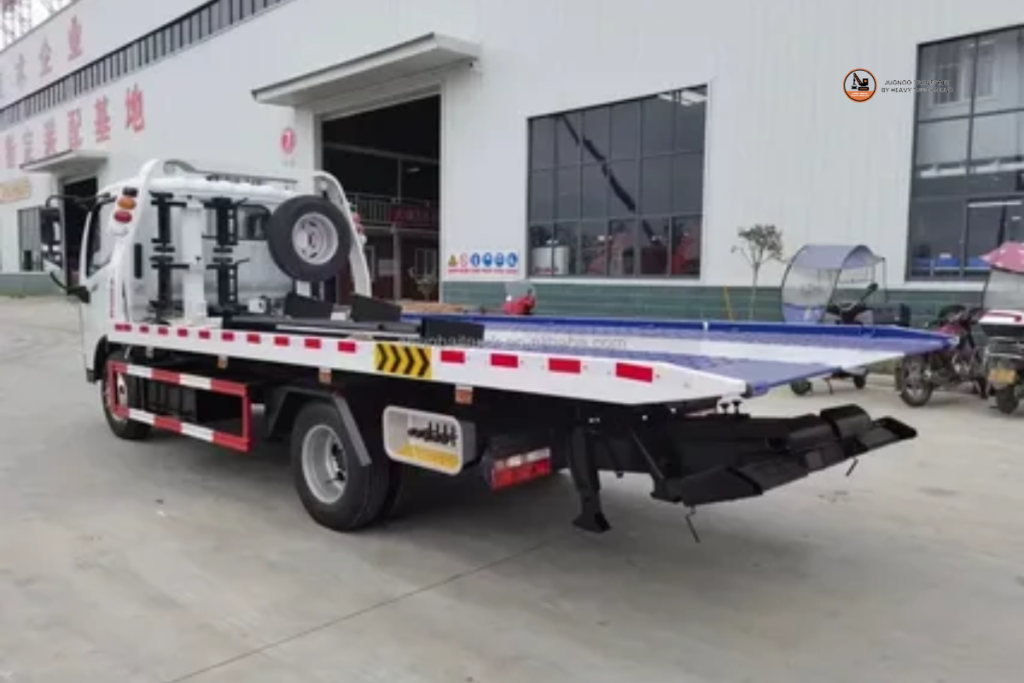
Lightweight Recovery Truck offers fast, efficient roadside assistance for cars and small vehicles with safe, reliable towing solutions.
In the world of vehicle recovery, the image that often comes to mind is a massive, thundering rig with enough power to pull a semi-truck from a ditch. And while those heavy-duty heroes are essential, there’s another, more nimble champion taking the streets by storm: the lightweight recovery truck.
For businesses, municipalities, and service providers, the need for efficient, cost-effective, and agile recovery solutions is higher than ever. That’s where the modern compact recovery truck shines. It’s not just a smaller version of its bigger brothers; it’s a strategically designed tool that offers a perfect blend of power, accessibility, and reliability. At Jugnoo Transport, we’ve built our reputation on understanding exactly this: that the right tool for the job makes all the difference.
Why Small Doesn’t Mean Less
The biggest misconception about a small recovery truck is that it’s underpowered or incapable. The truth is quite the opposite. Advances in hydraulic technology, vehicle design, and material science have allowed manufacturers to pack impressive power into a far more manageable footprint.
Think of it like this: you don’t need a full-sized excavator to plant a sapling. Using a massive recovery truck for a sedan in a tight urban parking garage is overkill, inefficient, and often impossible. The light duty recovery truck is designed specifically for the majority of recovery jobs – cars, vans, light trucks, and disabled commercial vehicles. It’s the specialist for the everyday rescue.
The Unbeatable Advantages of Going Compact
Unmatched Maneuverability and Access:
This is the superpower of the compact Recovery Truck. Narrow city alleys, crowded parking lots, underground garages with low clearance, residential streets, and crowded event spaces are no longer no-go zones. A smaller truck can get in, perform the recovery, and get out with minimal disruption. This means faster service for your customers and more jobs completed per day for your business.
Remarkable Cost-Efficiency:
The financial benefits are clear from every angle:
- Lower Initial Investment: A light duty recovery truck typically costs significantly less than a heavy-duty model.
- Better Fuel Economy: A smaller, lighter truck burns far less fuel, whether it’s driving to a job or idling on site.
- Reduced Maintenance Costs: Components are less complex and often more affordable to maintain and repair.
- Insurance and Licensing: Operating costs like insurance and the required driver’s license class are generally lower.
Surprising Power and Versatility:
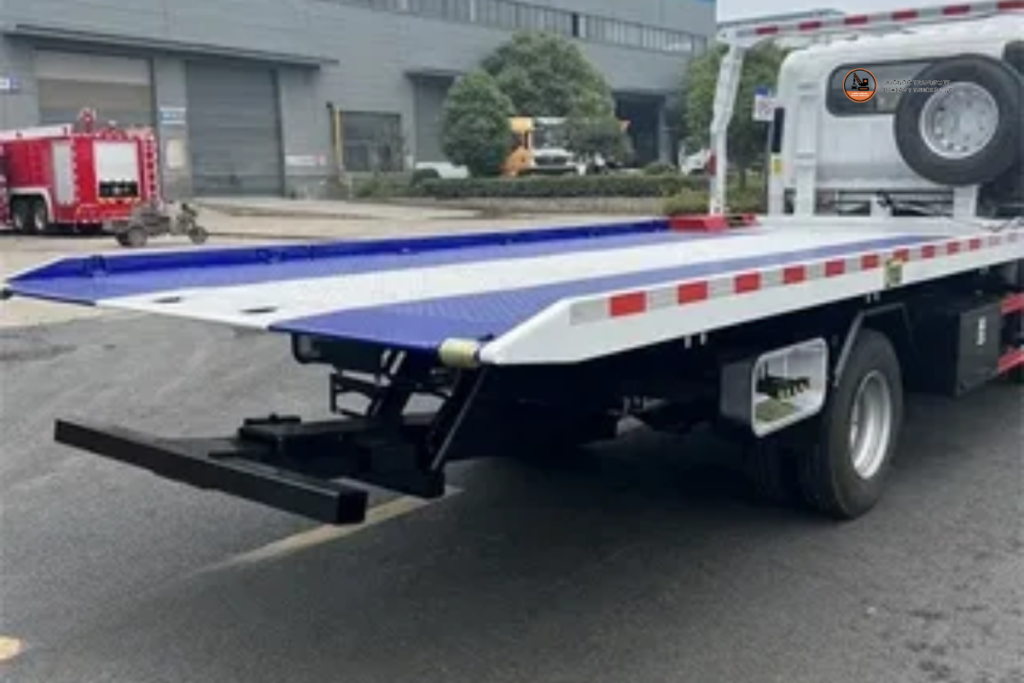
Don’t let the size fool you. Today’s models come with robust hydraulic systems, capable winches, and telescopic or articulating booms that provide excellent lifting and pulling power. Many are equipped with integrated wheel-lifts, allowing for quick and secure vehicle transport. This makes them perfect not just for breakdowns, but for repossessions, parking enforcement, and roadside assistance.
Enhanced Safety in Confined Spaces:
A smaller vehicle is easier to position correctly and safely. The operator has a better view of the immediate surroundings, the disabled vehicle, and any bystanders. This controlled environment is crucial for preventing accidents during the recovery process.
The Jugnoo Transport Difference: Our Philosophy on Lightweight Recovery
At Jugnoo Transport, we don’t just sell or operate recovery trucks; we provide mobility solutions. We understand that downtime for our clients means lost revenue and frustration. Our fleet of modern compact recovery trucks is chosen with this in mind. We prioritize reliability above all. Every truck in our Jugnoo fleet undergoes rigorous, scheduled maintenance to ensure it starts every time and performs flawlessly on the job.
We believe that power should be smart. Our operators aren’t just drivers; they are trained professionals who understand the engineering of their equipment. They know the exact capabilities of their small Recovery Truck, ensuring every recovery is performed efficiently and, most importantly, safely. For us, a reliable truck operated by a skilled professional is the only formula for success.
The Critical Side of Safety: Avoiding Common Pitfalls
Even with the most advanced and reliable lightweight recovery truck, safety is 100% dependent on proper operation. At Jugnoo Transport, our training programs hammer home several non-negotiable rules. Ignoring these is where most avoidable incidents occur.
1. The Peril of Overloading the Boom, Ignoring the Load Chart:
This is arguably the most dangerous mistake one can make. Every recovery truck, including every light duty recovery truck in our Jugnoo fleet, comes with a very specific load chart. This chart is not a suggestion; it’s the law of physics translated into a manual. It tells the operator exactly how much weight can be lifted at which boom angle and extension.
- Overloading the Boom, Ignoring the Load Chart can lead to catastrophic failure. The boom can buckle, hydraulic lines can burst, or the truck itself can tip over. We instill in our team that checking the load chart is the first and most critical step before any lift. The compact design of our trucks maximizes stability within its rated capacity, but exceeding those limits is never an option.
2. The Risk of Operating on Unstable Ground:
A recovery is often needed in less-than-ideal locations—soft shoulders, muddy fields, or gravel edges. The stability of the ground is as important as the stability of the truck.
- Operating on Unstable Ground without proper assessment is a recipe for disaster. A **small recovery truck, while lighter, can still sink or shift if the ground gives way. Our operators are trained to always look for the most stable, level ground possible, use outrigger pads (even on smaller trucks) to distribute weight, and never compromise on this fundamental for the sake of speed.
3. The Danger of Poor Visibility and Blind Spots:
Even with a more manageable size, a compact recovery truck has blind spots. The boom, the recovered vehicle, and the chassis itself can create areas where a person, obstacle, or another vehicle is hidden from view.
- Poor Visibility and Blind Spots must be actively managed. This means constant use of mirrors (often supplemented with camera systems on our modern Jugnoo trucks), a 360-degree walk-around before any movement, and, crucially, the use of a spotter when the operator’s view is obstructed. We teach that if you can’t see, you don’t move. It’s that simple.
Real-World Scenarios Where a Lightweight Champion Excels
To truly appreciate the lightweight recovery truck, let’s see it in action:
- The Urban Breakdown: A delivery van overheats in the middle of a busy downtown street during rush hour. A large tow truck would block two lanes and cause gridlock. A Jugnoo compact recovery truck slips in, quickly hooks up with a wheel-lift, and has the van cleared in minutes, restoring traffic flow.
- The Parking Garage Incident: A car with a dead battery is parked on the third level of a low-clearance garage. Only a small Recovery Truck with a low profile can access it to provide a jump-start or a tow-out.
- The Suburban Stall: A family sedan breaks down in a quiet cul-de-sac with limited turning space. The maneuverability of a light duty recovery truck makes the recovery quick and hassle-free, without damaging lawns or landscaping.
- The Fleet Manager’s Solution: A small business with a fleet of service vans needs a reliable partner for breakdowns. Having a contract with Jugnoo Transport for our lightweight recovery services means fast, affordable help that gets their vehicles back to the depot or a repair shop efficiently, minimizing downtime.
Choosing the Right Compact Recovery Truck: A Brief Guide
If you’re considering adding one to your own operations, here’s what to look for, reflecting the standards we use at Jugnoo Transport:
- Gross Vehicle Weight Rating (GVWR): This defines its light duty class. Choose one that matches the typical vehicles you’ll be recovering.
- Boom Capacity and Reach: Ensure it has enough power and articulation for your needs. Remember, never even think about overloading the boom, ignoring the load chart.
- Integrated Tools: Look for features like a wheel-lift, underlift, and winch. A good toolset defines versatility.
- Chassis and Reliability: Research the truck chassis brand and the recovery equipment manufacturer. A reputable brand equals fewer headaches.
- Visibility and Safety Features: Opt for models with good mirror setups and consider adding camera systems to eliminate poor visibility and blind spots.
The Future is Agile and Smart
The trend in the recovery industry is moving towards smarter, more specialized vehicles. The lightweight recovery truck is at the forefront of this shift. It represents a move away from brute force to intelligent, precise solutions. It’s about doing more with less—less fuel, less space, less cost, but with more skill and strategy.
For companies like Jugnoo Transport, this isn’t just a trend; it’s our operating principle. We’ve seen firsthand how the right small recovery truck, in the hands of a trained professional, can outperform a larger, more expensive rig on the vast majority of calls. It allows us to offer faster response times, more competitive rates, and access to locations others can’t reach, all while maintaining the highest standards of safety and reliability.
Conclusion: Your Partner on the Road
Whether you’re a business owner looking for a reliable recovery partner or a service provider considering adding a vehicle to your fleet, look beyond the sheer size. Consider the intelligence of the solution. The compact recovery truck is a testament to the idea that efficiency, power, and reliability can come in a nimble package.At Jugnoo Transport, we’ve staked our name on this very idea. We believe in being the agile, reliable partner you can count on, with the right truck for the job and the expertise to use it safely. Because getting you—or your vehicle—back on the road isn’t just our job; it’s our commitment. Let us show you how the compact powerhouse can make a world of difference.