
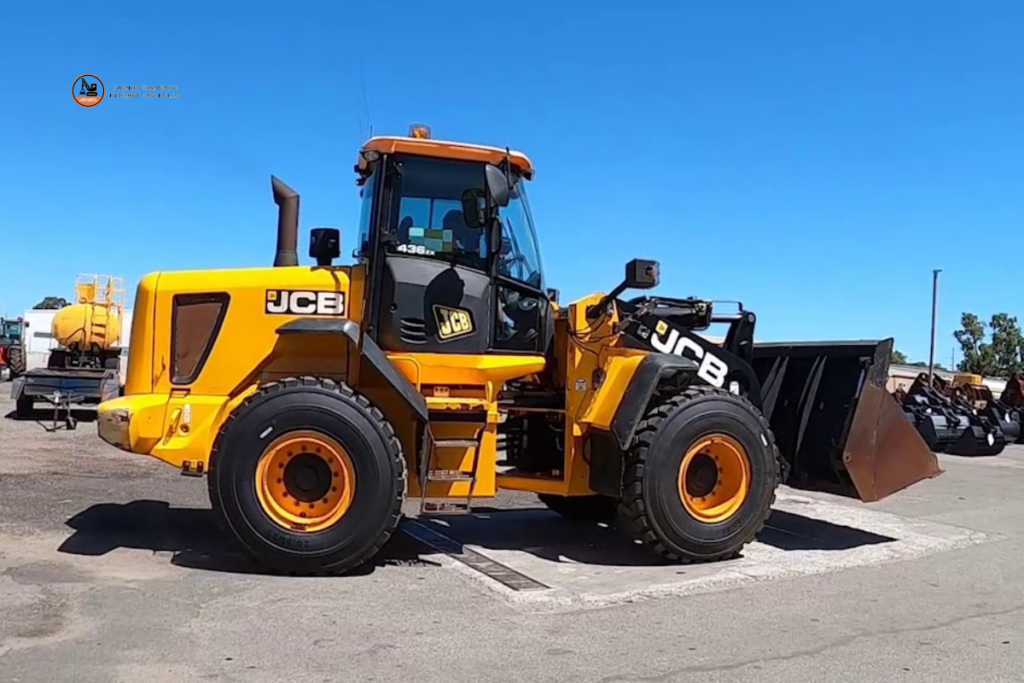
JCB Wheel Loader delivers powerful performance, fuel efficiency, and durability for construction, mining, and material handling projects.
If you have ever visited a construction site, a quarry, or even a large farm, you have likely seen a bright yellow machine moving mountains of material with ease. That machine, more often than not, is a JCB wheel loader. Known for their strength and reliability, JCB loaders are the workhorses of the heavy equipment world.
But whether you are a seasoned project manager or a small business owner looking to expand your fleet, understanding the nuances of these machines is crucial. You need to know what they can do, which model fits your job, and how to operate them safely.
At Jugnoo Transport, we don’t just know about these machines; we provide top-tier jcb wheel loader rental services to keep your projects moving. In this guide, we will walk you through everything you need to know about JCB wheel loader specifications, their incredible features, and the various ways you can put them to work.
Introduction to the JCB Wheel Loader
JCB is a name that resonates with quality worldwide. A wheel loader, sometimes called a front-end loader or a shovel, is essentially a tractor with a large bucket attached to hydraulic arms on the front. It is designed for one primary purpose: to move bulk material—like dirt, sand, gravel, or demolition debris—from one place to another.
Think of it as the muscles of your operation. While an excavator digs deep into the earth, the wheel loader is there to clean up, load trucks, stockpile materials, and keep the site organized. Their versatility makes them indispensable, and understanding the specific jcb wheel loader specifications for each model ensures you get the right tool for the job.
Key JCB Wheel Loader Specifications You Should Know
Before you rent or buy a machine, you need to understand the numbers. Specifications are not just technical jargon; they tell you exactly what the machine is capable of. When you look at jcb wheel loader specifications, here are the most important terms you need to understand.
1. Operating Weight
This is the weight of the machine when it is empty but ready to work (with a full tank of fuel and the operator inside). Weight matters because it gives the machine stability. Heavier machines usually mean more power and better traction, but they might also be too heavy for certain soft ground conditions. JCB wheel loaders can range from compact models weighing around 3 tons to massive quarry machines pushing 20 tons or more .
2. Engine Power
Usually measured in horsepower (hp) or kilowatts (kW), this tells you how strong the engine is. More power means the machine can push harder and move faster. JCB is famous for its fuel-efficient engines that deliver high torque (pulling power) even at low engine speeds, which saves you money on diesel .
3. Payload and Bucket Capacity
This is arguably the most critical specification. The payload is the maximum weight the machine can safely lift in its bucket. The bucket capacity (usually measured in cubic meters or cubic feet) tells you how much volume it can hold.
- Example: A small JCB 407 might handle a bucket of light materials, while the massive JCB 457S Agri can handle a payload of over 5,500 kg, with a shovel capacity of 3.3 cubic meters .
4. Tipping Load
This is the weight at which the machine’s back end will start to lift off the ground when the bucket is loaded. It is a safety limit. The full turn tipping load is especially important because a machine is less stable when the bucket is turned to the side than when it is facing straight ahead.
5. Dump Height and Reach
How high can the machine lift its bucket? If you are loading material into a tall truck, you need a loader with a dump height high enough to clear the truck’s sides. The reach tells you how far forward the bucket extends at full height.
Exploring the Latest JCB Wheel Loader Features
Modern JCB loaders are not just about brawn; they are full of smart technology and design features that make the operator’s job easier, safer, and more productive. Here are some standout jcb wheel loader features that set them apart.
The Powerful and Efficient Engine
JCB is one of the few manufacturers that builds its own engines. This means the engine and the machine are designed to work perfectly together. Many new models, like the JCB 455 ZX, feature engines that meet strict emission standards without sacrificing power . Features like automatic engine shutdown (which turns off the engine if it idles too long) help save fuel and reduce wear and tear .
Operator Comfort: The Command Cab
Spending 8-10 hours in a machine is tough work. JCB cabs are designed to be a comfortable environment. The JCB 409, for example, boasts a spacious cab with low noise levels .
- Visibility: Large glass windows and a low-profile engine hood give the operator a clear view of what the bucket is doing. This is critical for safety and precision.
- Controls: Gone are the days of heavy steering wheels. Modern loaders use joysticks and ergonomic controls that are easy to use, reducing operator fatigue .
Technology Integration: JCB LiveLink
In today’s world, you need to know where your machine is and how it’s performing. JCB LiveLink is a telematics system that sends data straight to your computer or phone. You can track fuel usage, location, and maintenance alerts. This feature is a game-changer for fleet management, helping to prevent theft and schedule maintenance before a breakdown occurs .
Durability and Strength
A wheel loader has to withstand immense forces. JCB reinforces its machines with heavy-duty articulation joints and robust chassis. The JCB TM110, despite its compact size, is built with features found on larger machines, ensuring it lasts for years .
Versatility with Attachments
A wheel loader is only as useful as its attachments. JCB machines are designed to be compatible with a huge range of tools.
- Buckets: General purpose, heavy-duty rock buckets, or light material buckets.
- Forks: For lifting pallets, timber, or large pipes.
- Grapples: For handling waste, logs, or demolition scrap.
- Sweepers and Snow Ploughs: For keeping yards and roads clean.
Common Uses of JCB Wheel Loaders
The versatility of the JCB wheel loader means you will find them in some of the most diverse working environments.
1. Construction and Earthmoving
This is the most common sight. On any building site, you need to move earth, sand, and aggregate. JCB loaders dig into stockpiles to fill dump trucks, backfill trenches, and clear the site of debris. Their ability to move quickly around a site (unlike a tracked excavator) makes them ideal for keeping the workflow smooth.
2. Agriculture and Farming
Farming is no longer just about tractors and ploughs. The modern farm relies on wheel loaders for handling animal feed, mucking out stables, and moving bales of hay or straw. The new JCB TM110 Agri is specifically designed for this, being compact enough to fit into narrow barns but powerful enough to lift heavy bales . For larger farms, the JCB 457S Agri handles massive amounts of grain and silage with ease .
3. Quarrying and Mining
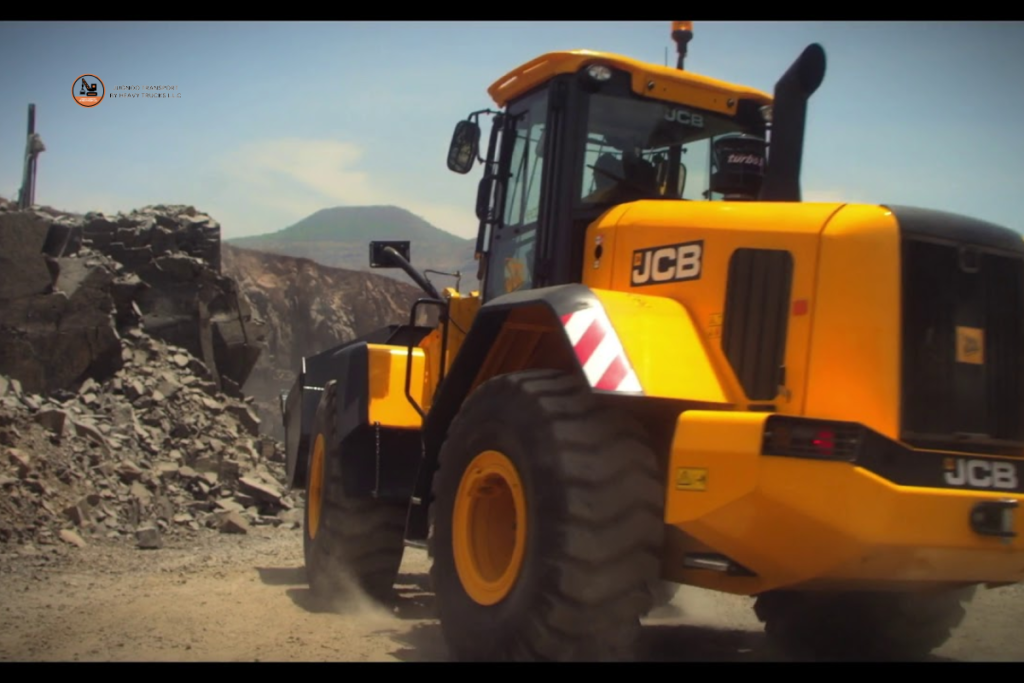
In tough environments like quarries, machines are pushed to their limits. JCB’s larger wheel loaders are built for this. They load blasted rock onto haul trucks, move aggregate into crushers, and maintain the quarry roads. The high breakout force and durable buckets are essential here.
4. Waste Management and Recycling
Waste transfer stations are harsh environments with sharp, abrasive materials. JCB loaders fitted with special waste-handling buckets and guards can push, sort, and load rubbish efficiently. The excellent visibility helps operators navigate tight spaces and avoid hazards.
5. Snow Clearance and Municipal Work
When winter hits, municipalities rely on wheel loaders to clear the streets. By swapping the bucket for a snow plough or a snow blower, these machines become vital for public safety.
Why Choose a JCB Wheel Loader Rental from Jugnoo Transport?
Buying a brand-new JCB wheel loader is a significant investment. For many businesses, especially for short-term projects or seasonal work, renting is the smartest financial decision. At Jugnoo Transport, we specialize in providing top-quality heavy equipment to meet your exact needs.
Here is why you should choose Jugnoo Transport for your next jcb wheel loader rental:
Cost-Effective Solutions
When you rent from us, you avoid the huge upfront capital cost of buying a machine. You also don’t have to worry about depreciation. You pay for the machine only when you need it, freeing up your cash for other parts of your business. Our rental terms are flexible, whether you need a machine for a day, a week, or a month.
Access to the Latest Models
The heavy equipment industry evolves quickly. Newer models are more fuel-efficient, safer, and more powerful. When you rent from Jugnoo Transport, you get access to late-model JCB loaders equipped with the latest jcb wheel loader features like LiveLink telematics and comfortable cabs. You don’t have to settle for outdated, worn-out machinery.
No Maintenance Headaches
Machine breakdowns can halt your project and cost you dearly. When you own a machine, you are responsible for maintenance, repairs, and sourcing expensive spare parts. When you rent from us, we take care of all that. Our team ensures the machine is serviced regularly and is in perfect working condition before it arrives on your site.
The Right Machine for the Job
Not all jobs require the same machine. You might need a small, agile loader for a week of landscaping, followed by a large quarry loader for a foundation dig. At Jugnoo Transport, we have a diverse fleet. We work with you to understand your jcb wheel loader specifications requirements and match you with the perfect machine for your specific task.
Expert Support
When you partner with us, you get more than just a machine. You get a team of experts ready to offer advice and support. If you have an issue on-site, we are just a phone call away.
Safety First: Avoiding Common Mistakes
A JCB wheel loader is an incredibly powerful tool, but with great power comes great responsibility. Safety on the job site is not just about protecting the machine; it’s about protecting lives. Even experienced operators can fall into bad habits. At Jugnoo Transport, we emphasize safety above all else. Here are four critical dangers to watch out for.
Overloading the Boom
It might be tempting to try and move just one more scoop to save time, but Overloading the Boom is a recipe for disaster. Every machine has a rated operating capacity. If you exceed this, you risk the following:
- Tip-Over: The machine’s center of gravity shifts forward. If the load is too heavy, the rear wheels can lift off the ground, causing the machine to flip forward.
- Structural Damage: The boom arms and hydraulic cylinders are strong, but they have limits. Overloading can bend metal frames and cause stress cracks, leading to catastrophic failure later on.
- Loss of Control: A machine that is too heavy in the front becomes difficult to steer, especially on slopes.
Always check the jcb wheel loader specifications for the maximum payload. If you don’t know the weight of the material you are lifting, it is better to take a smaller scoop.
Ignoring the Load Chart
Every JCB wheel loader comes with a load chart, usually located inside the cab. This chart is not just a sticker; it is a vital safety document.
Ignoring the Load Chart happens when operators think they know the machine well enough to eye it. The load chart tells you exactly how much the machine can safely lift at different boom angles and positions. Remember, the machine’s lifting capacity changes depending on whether you are driving straight or turning. The capacity is lowest when the bucket is turned to the side at full height. Not following the chart puts immense stress on the machine and increases the risk of tipping.
Operating on Unstable Ground
A wheel loader is heavy, and when you add a loaded bucket, the ground pressure increases significantly.
Operating on Unstable Ground is extremely dangerous. Soft ground, wet clay, or loose gravel can give way under the machine’s weight.
- Risk of Sinking: The machine can become stuck in mud, requiring expensive recovery efforts.
- Risk of Tip-Over: If one wheel sinks into a soft patch while the bucket is raised, the machine can lean dangerously, potentially rolling over.
- Falling Objects: Unstable ground near a stockpile or edge can collapse, causing the machine to fall.
Before you start work, inspect the area. Is the ground level and solid? According to safety guidelines, any slope of more than 2.5% (1 in 40) must be carefully considered before operating . If the ground looks questionable, it needs to be compacted or stabilized before the loader goes in.
Poor Visibility and Blind Spots
Even with the best cab design, wheel loaders have blind spots. The large boom arms and the rear of the machine can hide pedestrians, other machines, or obstacles.
Poor Visibility and Blind Spots are leading causes of accidents on construction sites.
- Site Workers: It is very easy for a spotter or laborer to disappear from the operator’s view, especially if they walk behind the machine or stand too close to the sides.
- Other Equipment: Small vehicles like pickups or concrete pumps can be hidden in blind spots.
How do we combat this?
- Use a Spotter: Always have a dedicated person on the ground to guide the operator when working in tight areas or around lots of people.
- Use Technology: Modern JCB loaders can be fitted with rear-view cameras, which display the blind spot on a screen inside the cab . At Jugnoo Transport, we ensure our rental fleet is equipped with the latest safety tech.
- Cleanliness: Keep windows and mirrors clean and adjusted properly.
Tips for Efficient and Safe Operation
Whether you are renting from Jugnoo Transport or using your own machine, following these tips will keep your project safe and profitable.
1. Conduct a Daily Walkaround
Before you even climb into the cab, walk around the machine. Check the tyres for pressure and damage. Look for any oil or water leaks. Ensure all lights and warning signals are working. Check that the bucket teeth and cutting edge are in good condition. This simple habit catches small problems before they become big, expensive repairs.
2. Understand the Terrain
Always be aware of the ground conditions. If it has rained overnight, the ground will be softer and more slippery. Approach stockpiles on firm, level ground. When driving on a slope, keep the heavy bucket low to the ground to maintain a low center of gravity. Avoid turning across a steep slope whenever possible .
3. The Art of Loading
To fill a bucket efficiently, don’t just ram into the pile at full speed. Use the machine’s power to bite into the bottom of the stockpile. As you penetrate, curl the bucket upward. This uses the machine’s hydraulics and traction together to get a full load without spinning the tyres excessively.
4. Smooth Traveling
When moving materials across the site, keep the bucket as low as possible—just a few inches off the ground. This maximizes stability. Use the machine’s Smooth Ride System if it has one; this suspension absorbs bumps, keeping the load in the bucket and reducing stress on the operator .
Choosing the Right JCB Model for Your Needs
With so many models available, choosing the right one can be confusing. Here’s a quick guide to help you decide what to ask for when you call Jugnoo Transport for a jcb wheel loader rental.
- For Tight Spaces and Light Work: If you are working inside a barn, a small demolition site, or a landscaping project, you need a compact model like the JCB 409 or the JCB TM110. These machines are small enough to fit through narrow gates but still offer excellent lifting power .
- For General Construction and Site Work: For loading trucks, moving dirt, and general site clean-up, a mid-range machine like the JCB 407 or JCB 455 ZX is perfect. They offer a great balance of power, speed, and maneuverability .
- For Heavy-Duty Quarry and Agriculture: If you are moving massive rocks or tons of grain, you need the big boys: the JCB 457S Agri or the TM420. These machines have the horsepower, weight, and bucket capacity to handle the toughest jobs .
Conclusion
The JCB wheel loader is a marvel of engineering, combining raw power with smart technology to tackle some of the toughest jobs on earth. From understanding the key jcb wheel loader specifications like payload and tipping loads, to appreciating the comfort and safety of modern jcb wheel loader features, it is clear that these machines are essential for any serious material handling task.
However, owning a fleet of these machines is not feasible for everyone. That is where we come in.
At Jugnoo Transport, we bridge the gap between your project needs and the heavy equipment required to get it done. We offer a hassle-free, cost-effective jcb wheel loader rental service. We provide well-maintained, modern machines backed by expert support, so you can focus on getting the job done safely and efficiently.
Remember the safety tips we discussed. Avoid Overloading the Boom, never start work without checking the specs, and always be mindful of Operating on Unstable Ground. Respect the machine’s limits and be aware of Poor Visibility and Blind Spots.By combining the right equipment with the right practices, your project is destined for success. Contact Jugnoo Transport today to find the perfect JCB wheel loader for your next big challenge