
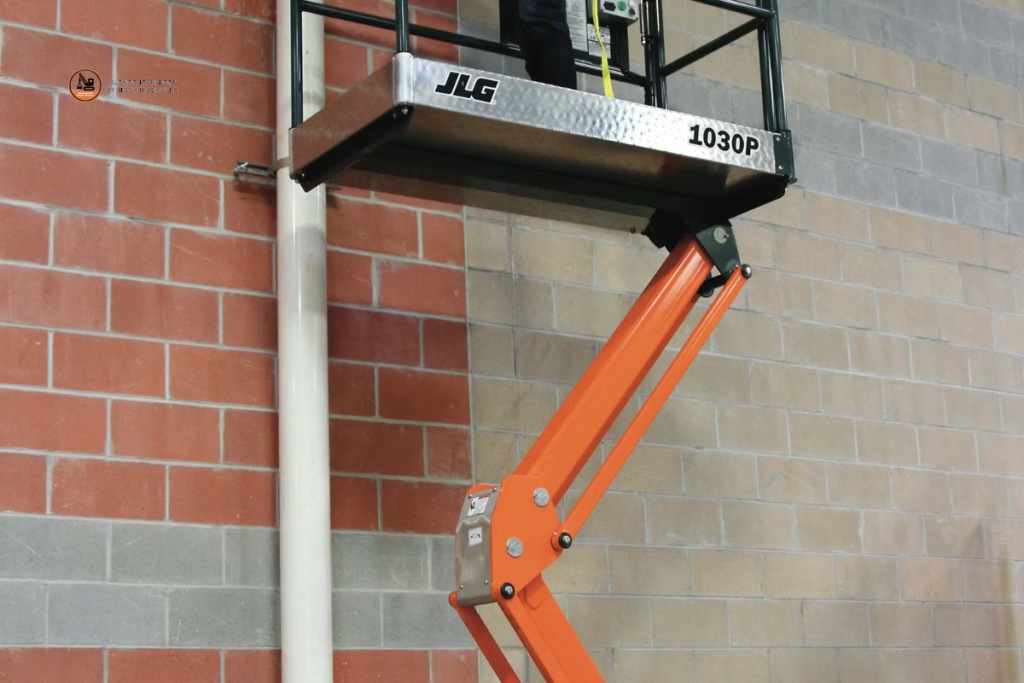
Low Level Access Platform solutions provide safe, efficient access for low-height tasks, improving productivity and workplace safety.
Working at height doesn’t always mean working at extreme heights. In fact, a massive percentage of maintenance, construction, and installation jobs happen just a few meters off the ground. For years, workers coped with ladders and makeshift scaffolding to get these jobs done. However, the industry has evolved. Today, the focus is on efficiency, safety, and ergonomics, which is why low level access platform rental has become the go-to solution for contractors and facility managers alike.
At Jugnoo Transport, we don’t just provide equipment; we provide solutions that keep your projects moving and your workers safe. Whether you are changing a light bulb in a warehouse, installing ceiling panels in a new office, or performing maintenance in a tight corridor, choosing the right machine is critical.
In this post, we will explore the world of low level access, the benefits of modern electric low level access platform options, and—most importantly—the five critical safety rules you must follow to avoid disaster on the job site.
The Rise of Low Level Access
When we talk about low level access, we are generally referring to powered access equipment designed for work up to roughly 8 meters. These machines are the perfect replacement for traditional ladders and tower scaffolds. Why? Because they offer the stability of a full-sized access platform without the bulk and setup time.
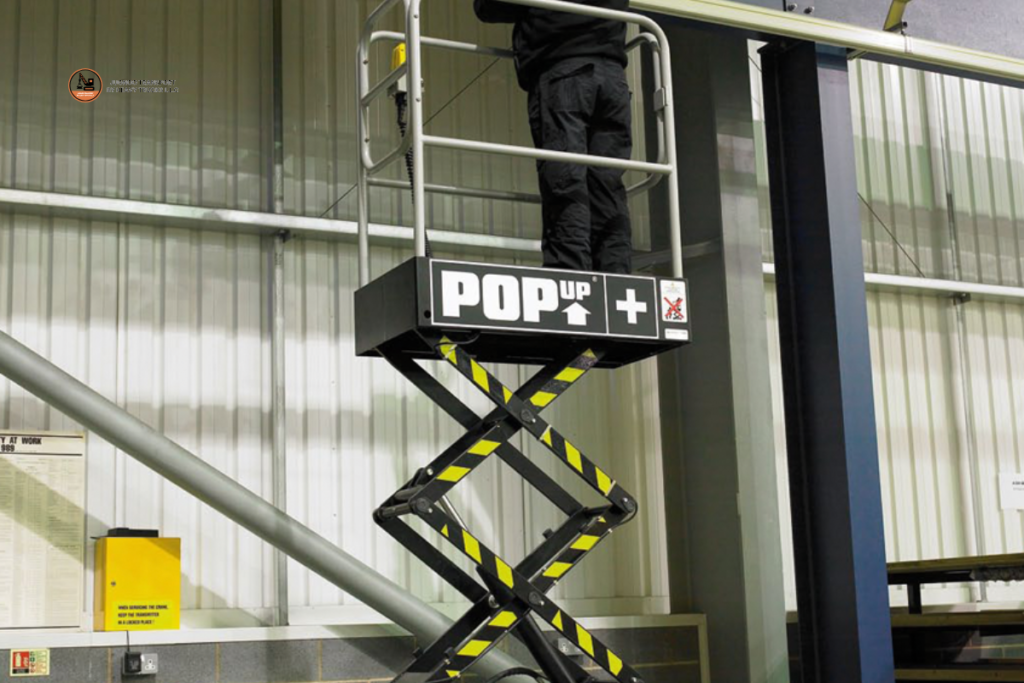
Low level Access Platform hire has surged in popularity because these machines are incredibly user-friendly. They are designed for quick, solo operation. A worker can step onto the platform, use simple controls to rise to their working height, and have a stable, secure base with guardrails in place. There is no climbing up and down for tools, and no fear of a ladder slipping out from underneath you .
Modern units, particularly the electric low level access platform models, are perfect for indoor use. They are quiet, produce zero emissions, and are gentle on sensitive flooring. Whether it’s a school corridor, a hospital ward, or a finished office lobby, these machines can maneuver without leaving a mark .
At Jugnoo Transport, our fleet is stocked with the latest in low level technology. We understand that getting the job done quickly starts with having gear that is reliable and easy to operate.
The Dangers Are Real: Safety First
While low level access platforms are statistically very safe, they are still pieces of heavy machinery. Complacency is the enemy of safety. Because these machines work closer to the ground, some operators develop a false sense of security. They might think, It’s only four meters up, what’s the worst that could happen?
But the data tells a different story. Accidents in the access industry often happen not because of great heights, but because of ground conditions, mechanical overloading, or human error . To ensure everyone returns home safely at the end of the day, we need to address four major hazards.
Here are the critical safety points every Jugnoo Transport customer must understand.
Overloading the Boom and Ignoring the Load Chart
Every access platform is designed with a specific maximum capacity. This isn’t a suggestion; it’s a hard limit based on physics and engineering. The load chart is the document that tells you exactly what the machine can handle at different angles and extensions.
One of the most dangerous mistakes an operator can make is Overloading the Boom. It is easy to misjudge weight. You might have two workers, a stack of drywall, and a bucket of tools. Suddenly, you are exceeding the safe working load.
The consequences are catastrophic. When you exceed the capacity, you risk destroying the stability of the machine. In severe cases, the boom can fail mechanically. History is littered with tragic examples where ignoring the load chart led to Ignoring the Load Chart having deadly results. In one harrowing incident documented by safety regulators, a boom failed because the load was calculated at 128% over capacity. The bolts holding the boom failed, causing it to collapse and pin a worker .
At Jugnoo Transport, we train our clients to always perform a pre-use check. Know the weight of everything going into the basket. If you are unsure, check the load chart mounted on the machine. It is your roadmap to a safe lift. Never gamble with weight limits.
Operating on Unstable Ground
A platform is only as stable as the ground it sits on. You might have a brand new, perfectly maintained machine, but if you position it on bad soil, you are asking for trouble. Operating on Unstable Ground is a leading cause of tip-overs in the access industry .
Recent global safety campaigns have highlighted a frightening statistic: fatal overturns increased significantly in recent years. The vast majority of these incidents were not due to mechanical failure, but because of unsuitable ground conditions . This means soft fills, recently graded soil, hidden trenches, or even steep slopes.
Imagine setting up a boom lift to trim trees after a rainstorm. The ground looks solid on top, but underneath it’s soggy. As the boom extends and the weight shifts, the ground gives way. The result is a tipped machine.
The solution is simple: inspect the ground first. Walk the path the machine will take. Look for dips, soft spots, or debris. If you are on a construction site, be aware of what is underneath you—basements, pipes, or underground utilities can collapse under the weight of a heavy machine. Use outriggers and spreader pads if the machine is equipped with them, especially on softer surfaces. At Jugnoo Transport, we advise our customers: if you wouldn’t park your car there, don’t put a 3-ton lift there.
Poor Visibility and Blind Spots
Driving an access platform, even a small one, requires constant awareness. These machines often operate in congested environments. You have workers on the ground, other machinery moving about, and overhead obstructions. Poor Visibility and Blind Spots are a recipe for disaster.
When you are in the basket or standing on the platform, your view might be great looking forward, but what is behind you? Many mobile elevating work platforms (MEWPs) have significant blind spots to the rear and sides.
Collisions happen when operators move without a clear view. A worker on the ground might step behind the machine just as the operator reverses. A guardrail might clip a stack of materials, sending debris flying.
How do we combat this? First, use a spotter. If you are moving in a tight space or reversing any significant distance, have a dedicated person on the ground with a clear view guiding you. Second, slow down. Speed reduces your reaction time. Third, respect the hierarchy of visibility. If you can’t see, stop moving. In industrial settings, wearing high-visibility clothing is essential for ground workers to ensure they are seen by operators .
At Jugnoo Transport, we remind operators to always look in the direction of travel and to beep horns when moving in reverse. A little caution prevents a lot of pain.
The Perils of Ladder Mentality
One of the biggest reasons to switch to low level Access Platform rental is to escape the ladder mentality. On a ladder, you are constantly shifting your weight, reaching out to the side, and working without guardrails. People often try to apply this same behavior to access platforms.
You must resist the urge to lean over the guardrails. Even if you are just trying to reach a pipe a little further to the left, do not lean out. If you lean too far, your center of gravity shifts. While modern machines have safety features, leaning outside the basket can lead to a fall or destabilize the machine.
Always reposition the platform. It might take an extra minute, but it beats a trip to the hospital. This is why modern electric low level access platform units are designed with easy-to-use controls that allow for precise positioning, eliminating the need for risky stretching .
Ignoring Pre-Use Inspections
Finally, the simplest rule: check the machine before you use it. A pre-use inspection isn’t just paperwork; it’s a health check. Look for oil leaks, damaged tires or tracks, worn cables, and test the controls. Make sure the emergency stop works. Check that the platform gate closes securely.
If something is wrong, tag the machine out of service and report it immediately . Don’t assume it will be fine. At Jugnoo Transport, we maintain our gear meticulously, but equipment can be damaged in transit or by previous users. The daily check is your last line of defense.
Why Choose Jugnoo Transport for Your Hire?
Navigating the world of access equipment can be tricky if you aren’t a professional operator. That’s where we come in. At Jugnoo Transport, we believe that providing a machine is only half the job. The other half is ensuring you have the right machine and the knowledge to use it safely.
When you call us for low level access platform hire, we don’t just ask for your credit card. We ask questions:
- What is the job?
- What is the ground condition like?
- How high do you need to go?
- Are you working indoors or outdoors?
This helps us match you with the perfect piece of equipment. If you need a quiet, emission-free unit for a hospital, we will send you an electric low level access platform. If you need something rugged for a muddy site, we have you covered there, too.
We also stand by our equipment. We know that a breakdown costs you time and money. Our fleet is serviced regularly to ensure that when the machine arrives on your site, it is ready to work.
Best Practices for a Safe Jobsite
To wrap up, let’s outline a simple safety checklist that every site manager and operator should follow when using rental equipment:
- Plan the Lift: Before the machine even arrives, know where it will go and what it will do.
- Train the Operator: Ensure the person using the machine is trained and familiar with that specific model. If you need a refresher, ask us.
- Assess the Ground: As discussed, this is non-negotiable. Check for stability and slope .
- Check the Machine: Perform the pre-use inspection.
- Respect the Limits: Stay within the load chart. Do not overload.
- Maintain Visibility: Use spotters and go slow.
- Wear PPE: Hard hats, harnesses (where required), and high-visibility clothing are essential.
Conclusion
The modern worksite demands modern solutions. Ladders and scaffolds are becoming relics of the past for good reason—they are simply not as safe or efficient as powered access. Whether you are maintaining a facility or building a new one, low level access platform rental offers the perfect blend of safety, productivity, and ease of use.
At Jugnoo Transport, we are proud to be your partner in this journey. We provide top-tier equipment, including the latest electric low level access platform models, and we back it up with the expertise you need to get the job done right.
Remember, an accident doesn’t just hurt the person involved; it hurts the team, the timeline, and the business. By respecting the machinery and following safety protocols—like avoiding Overloading the Boom or Operating on Unstable Ground—we can ensure that every project is a success.Are you ready to elevate your next project? Contact Jugnoo Transport today to discuss your low level access platform hire needs. Let’s work together, safely and efficiently.