
Find out how much a 1-ton mobile crane rental typically costs. Learn about daily rates, additional fees, and factors that affect rental prices.
When it comes to construction, manufacturing, or any type of industrial work, using the right equipment ensures efficiency and safety. One essential piece of machinery in many projects is the mobile crane. These versatile machines lift, move, and place heavy materials, making them indispensable for lifting operations at construction sites, warehouses, ports, and more.
For contractors and business owners, renting a mobile crane offers a cost-effective way to access powerful machinery without the heavy capital expenditure of ownership. However, renting a crane involves more than just paying a rental fee. Several factors influence the total cost of crane hire, especially for a 1-ton mobile crane, one of the most common types for smaller, precise lifts.
Understanding the full cost breakdown of crane rentals is vital for businesses or contractors planning to hire one. Hidden charges, fluctuating rates, and site-specific requirements can lead to unexpected expenses if not properly managed. That’s where Jugnoo Transport steps in. We offer a wide range of mobile cranes, including the popular 1-ton variety, and we commit to providing clear, transparent pricing to ensure our clients always know what they’re paying for.
What is a Mobile Crane 1 Ton Rental?
Definition and Purpose of a Mobile Crane
A mobile crane is a crane mounted on a vehicle, typically a truck or wheeled base, designed for easy transport between job sites. Unlike stationary cranes, which remain fixed in one location, mobile cranes can move, set up, and operate at various locations. This mobility makes them incredibly versatile and convenient.
Contractors use mobile cranes for various lifting operations, from construction to logistics. These cranes can lift materials like steel beams, concrete blocks, machinery, and other heavy items. A 1-ton mobile crane is built to handle lighter loads (up to 1 ton), making it ideal for smaller, more delicate operations where a large crane isn’t necessary.
Common Uses for a 1-Ton Mobile Crane
A 1-ton mobile crane is one of the most popular choices for jobs that require lifting smaller loads in confined spaces. Some of the most common uses for a 1-ton mobile crane include:
- Material Handling: Moving smaller loads of materials, such as tools, machinery, or equipment, around a job site.
- Construction Projects: Lifting light construction materials such as drywall, beams, and steel components for smaller residential or commercial projects.
- Warehouse Lifting: Moving pallets of goods or inventory within a warehouse, especially in tight spaces where larger cranes would be impractical.
- Event Setup: Installing temporary structures or tents for events, where precise lifts are needed in a controlled environment.
These cranes are also perfect for sites with limited space, such as residential projects, small commercial builds, and areas with restricted access that may not accommodate larger machines. A 1-ton crane is lightweight, portable, and flexible—ideal for a variety of construction or industrial tasks.
Overview of the Different Types of Mobile Cranes
While the 1-ton mobile crane is excellent for smaller loads, other types of mobile cranes are better suited for different job requirements. Here’s a quick overview of the various mobile crane types:
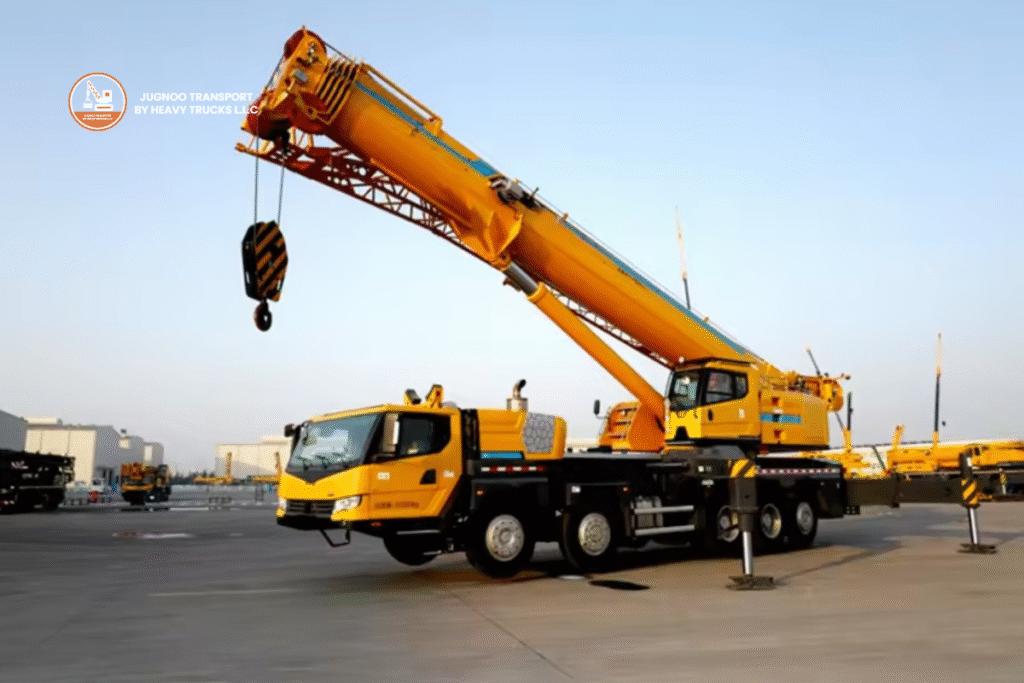
Truck-Mounted Cranes: These cranes mount on the back of a truck, providing quick mobility. Contractors use them for tasks like lifting smaller construction materials or moving goods in urban environments.
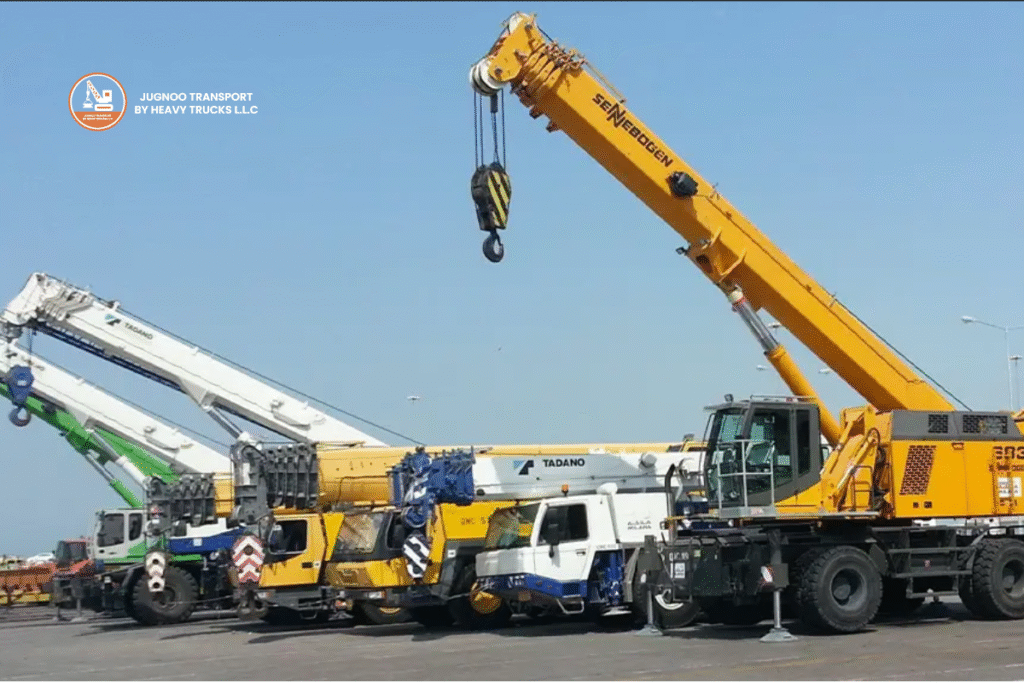
All-Terrain Cranes: Equipped with large wheels and powerful hydraulics, all-terrain cranes handle rough terrain with ease. They’re ideal for larger projects in challenging environments, such as oil fields or infrastructure works.
Crawler Cranes: Mounted on tracks instead of wheels, crawler cranes excel on unstable ground or projects that demand stability. They lift heavy loads but tend to be slower and less mobile than truck-mounted cranes.
Rough Terrain Cranes: These cranes are designed for outdoor job sites with uneven or muddy ground. With larger tires than standard mobile cranes, they easily navigate difficult terrain while lifting equipment or construction materials.
Each type of crane serves a specific purpose and has its own set of advantages and drawbacks. Choosing the right crane depends on the nature of the project, the environment, and the materials being lifted.
Why a 1-Ton Crane is Ideal for Specific Projects
A 1-ton mobile crane is an excellent choice for smaller, more controlled environments where precise lifts are necessary. It’s ideal for projects that don’t require the heavy lifting capacity of a larger crane but still need the flexibility and maneuverability a mobile crane can provide. Some key reasons why a 1-ton crane is often the best fit include:
- Compact and Maneuverable: A 1-ton crane can fit into tighter spaces, making it ideal for use in crowded urban job sites or places with limited access.
- Cost-Effective: Renting a 1-ton crane is often more affordable than renting a larger crane for smaller lifting jobs. You only pay for the crane size you need, which can significantly reduce project costs.
- Easy Setup and Operation: These cranes are quick to set up and don’t require a lot of space, which makes them perfect for jobs with tight schedules or smaller footprints.
Whether you’re working on a construction project that requires the precise placement of materials or handling light machinery in a warehouse, a 1-ton mobile crane provides the perfect balance between lifting capacity, versatility, and cost-efficiency.
Factors That Affect the Cost of Mobile Crane 1 Ton Rentals
Renting a 1-ton mobile crane involves various factors that can influence the final cost of the rental. While the basic rental rate is a starting point, there are other considerations that can increase or decrease the price you ultimately pay. Let’s take a closer look at these factors:
Hourly Rates vs. Daily or Weekly Rates
The first factor in determining the cost of your crane rental is whether you choose to rent on an hourly, daily, or weekly basis. These rates vary depending on the length of time the crane is required and the specific terms of your contract.
- Hourly Rates: For short, small jobs, hourly rates are the most common. This is ideal when you only need the crane for a few hours, such as for a quick lift or material handling. Hourly rates typically range between AED100–AED200 per hour for a 1-ton crane, depending on location and availability.
- Daily and Weekly Rates: For larger jobs that span several hours or even days, you may want to consider a daily or weekly rental. These rates are typically more affordable when you rent for a longer duration. Daily rates for a 1-ton crane generally range between AED 500 and AED 800 per day, while weekly rates can be anywhere from AED 2,000 to AED 4,000.
The best rate for your project depends on the scope and duration of the job. For short-term tasks, hourly rates are ideal, while daily or weekly rates provide better value for longer projects.
Equipment and Operator Costs
When renting a crane, you’re also paying for the equipment itself and the operator who will operate the machine. Some rental companies charge an additional fee for the crane operator, while others include it in the rental price. Typically, operator fees range from AED50–AED150 per hour for a 1-ton crane, depending on the experience of the operator and the region.
In some cases, if you provide your operator, you may save on this cost. However, it’s important to ensure that your operator is experienced and certified for the specific crane being used to avoid any safety issues.
Location Matters
Location matters when it comes to crane rental costs. Rental prices can vary significantly depending on where the crane is being used. For example, in urban areas, where demand for cranes is high, you might find prices are slightly higher. Additionally, transportation costs to move the crane to the site will vary based on the location.
Urban areas typically have higher overhead costs, including insurance and permitting fees, which can increase rental prices. In rural areas, you might find lower rates, but you’ll likely have to pay more for transportation due to the additional distance the crane has to travel.
Minimum Rental Time and Its Influence on Pricing
Most crane rental companies set a minimum rental time to ensure the equipment is used efficiently. The minimum rental time can range from 4 to 8 hours, depending on the company and the project. This minimum rental time affects the overall cost because it ensures the crane rental company can cover its operating costs, such as transportation, setup, and the operator’s time.
At Jugnoo Transport, we offer flexible minimum rental time options that cater to the specific needs of your project. Whether you need the crane for a few hours or multiple days, we ensure that you only pay for the time you need, avoiding unnecessary costs.
Conclusion
Renting a 1-ton mobile crane is a convenient and cost-effective solution for many construction, industrial, and logistical projects. By understanding the factors that affect crane rental costs—such as hourly rates, minimum rental time, additional costs, and location matters—you can better plan and budget for your project.
At Jugnoo Transport, we are committed to providing affordable and transparent crane rental services. Whether you need a crane for a few hours or several days, our team is here to help you navigate the rental process and ensure that your project runs