
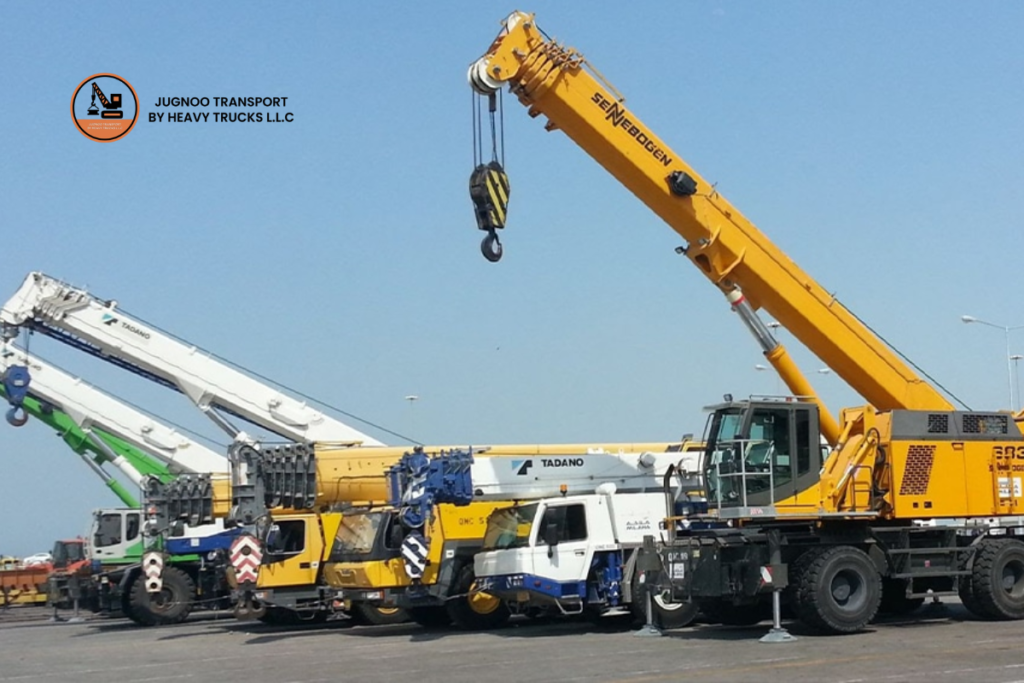
Explore key mobile crane types—all-terrain, rough-terrain, truck-mounted, and crawler cranes. Learn their uses and how to choose the right one for your project.
Welcome to the world of heavy lifting. Whether you’re a seasoned project manager, a site foreman, or planning a complex one-off project, the moment comes when you need to move something massive. That’s where mobile cranes come in—the versatile workhorses of construction, industry, and logistics. But with so many types rumbling around, how do you choose the right one for your job? More importantly, how do you ensure you’re renting not just a machine, but a partnership for success?
Why the Right Mobile Crane Matters
Think of a mobile crane as more than just steel and hydraulics. It’s a precision tool. Choosing the wrong type can lead to delays, skyrocketing costs, and serious safety risks. The right crane, however, fits your site like a glove, operates efficiently, and gets the job done safely and on budget. It’s about matching the machine’s capabilities—its reach, strength, and mobility—to the unique challenges of your location and task.
This is where experience counts. At Jugnoo Transport, we don’t just rent cranes; we provide solutions. Our process begins with understanding your project’s specific needs, ensuring the crane we recommend is the perfect fit.
The Main Players: Types of Mobile Cranes
Let’s break down the most common mobile crane types you’ll consider for rental.
- The Rough Terrain Crane: The Site Champion
Best for: Construction sites, industrial plants, and any location where the ground is uneven, unpaved, or has limited space.
Imagine a crane built like a sturdy, four-wheel-drive vehicle. That’s the rough terrain crane. It’s designed to thrive off-road. With massive, heavy-duty tires and a robust, compact frame, it can navigate muddy, rocky, or cluttered sites that would stop other cranes in their tracks.
Key Features:
- All-Wheel Drive & Steer: For incredible maneuverability in tight corners.
- Outriggers: Large, stable outriggers extend to provide a solid base for lifting.
- Compact Size: Fits on sites where space is a premium.
- Single Cabin: The operator drives and lifts from the same cab.
When to Rent One: You have a construction site with limited pavement, need to move between lifting points, or are working on a project with evolving terrain. Before you rent, always review the detailed rough terrain crane specs—paying close attention to its lifting capacity at various radii and its ground clearance. Our team at Jugnoo Transport is expert at interpreting these specs against your site plans to ensure a match.
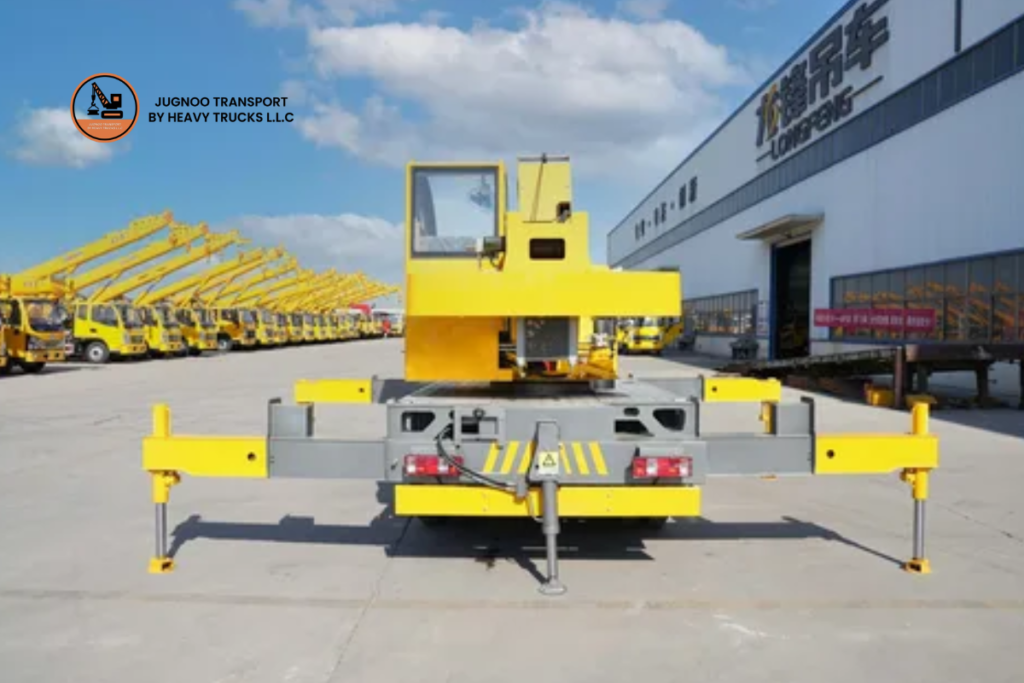
- The Truck-Mounted Crane (Truck Crane): The Road Warrior
Best For: Projects that require quick setup, high mobility between multiple locations, or lifts that involve a combination of road travel and lifting.
The Rental Decision: More Than Just the Machine
Choosing between a rough terrain, a truck crane, or a crawler crane is the first step. A successful rental involves several critical layers.
- Understanding the Specifications (The “Specs”):
This is non-negotiable. Every crane has a load chart—a complex diagram that tells you exactly what it can lift at every boom length and angle. Ignoring the Load Chart is a cardinal sin in crane operation. The chart factors in the crane’s structural limits and stability. Choosing a crane based only on its “maximum lift” number is like buying a car based only on its top speed—it ignores all the practical conditions. We ensure every client understands the relevant chart for their rented equipment.
- The Site Assessment:
A crane is only as good as the ground it stands on. This is a multi-point check:
- Ground Conditions: Is it compacted soil, soft clay, or a newly poured slab? Operating on unstable ground is one of the fastest ways to cause a crane to tip. Solutions can include bringing in crane mats or using a crane better suited for the terrain (like a crawler).
- Overhead & Underground Hazards: Power lines are a deadly risk. Underground utilities, from gas lines to fiber optics, must be located and marked.
- Space for Setup: Is there enough room for the outriggers to fully extend? Can the boom rotate 360 degrees without obstruction?
- Access Roads: Can the crane physically get to the desired position? Weights and dimensions matter.
- The Human Factor: The Operator
The most advanced crane is a hazard in unskilled hands. A certified, experienced operator is worth their weight in gold. They understand how to read the load chart, interpret site risks, and execute a smooth, controlled lift. They are your final layer of safety.
Safety First: Common Pitfalls and How to Avoid Them
Safety isn’t just a section in a manual; it’s the foundation of every successful lift. Let’s address those critical keywords as real-world dangers.
- Overloading the Boom: This is the temptation to lift “just a little more.” It stresses the crane’s structural components beyond their design limits. The result can be catastrophic—a bent or collapsing boom. The fix is simple: NEVER do it. Respect the load chart. At Jugnoo Transport, our pre-rental consultation reinforces this fundamental rule.
- Ignoring the Load Chart: The load chart is the crane’s bible. It accounts for the boom’s angle, the crane’s configuration, and the weight of the rigging. Guessing or approximating is reckless. Always plan the lift using the chart, and have it on-site for reference.
- Operating on Unstable Ground: Outriggers need firm, level support. Setting up on a slope, near an excavation, or on uncompacted fill can cause the crane to settle or shift during a lift, leading to a tip-over. Always use proper cribbing (wood or steel mats) under outriggers and assess soil integrity. A crawler crane might be the safer choice for questionable ground.
- Poor Visibility and Blind Spots: The operator’s view can be blocked by the load, parts of the crane, or site structures. This is where communication is vital. A qualified signal person (or a team) using clear hand signals or radios is mandatory. Never assume the operator can see everything. Establishing communication protocols before the lift starts is a standard part of our client briefing.
Why Your Rental Partner Makes All the Difference
Now you see that renting a crane is a technical, safety-critical process. This is why choosing the right rental firm is as important as choosing the crane itself. Here’s what a true partner brings:
- Expert Consultation: They ask detailed questions about your site, load, and schedule to recommend the right crane, not just the most available one.
- Transparent Logistics: They handle the transportation, permits, and setup, explaining all costs upfront.
- Impeccable Equipment: Their cranes are modern, well-maintained, and come with certified documentation and clear load charts.
- Safety Partnership: They provide not just the machine, but the safety guidance and resources to use it correctly.
Professional Operators: They can supply certified, experienced operators who are proactive about safety.
How Jugnoo Transport Simplifies Your Crane Rental
At Jugnoo Transport, we’ve built our reputation on being that kind of partner. We believe in making complex lifts simple and safe. Here’s how our process works for you:
Step 1: The Collaborative Consultation
You call or email us with your project details. We don’t just take an order; we have a conversation. We’ll ask about:
- The weight and dimensions of the load.
- The required lift height and radius (how far from the crane the load needs to be placed).
- Your site conditions (photos and site plans are incredibly helpful).
- Your timeline and access constraints.
Based on this, we’ll advise whether a rough terrain crane’s specs are ideal for your rocky site, if a versatile truck crane with a boom is the most efficient choice, or if you truly need the unmatched stability of a mobile crane with tracks.
Step 2: The Tailored Proposal
We provide a clear, detailed quote that includes:
- The recommended crane model and its specifications.
- Rental duration and costs.
- Transport and setup logistics.
- Options for a certified operator.
- A clear outline of what we need from you (site prep, utility markings, etc.).
Step 3: Seamless Execution
Our team handles the heavy logistics. We deliver the crane on time, ensure it’s set up correctly on proper ground support, and conduct a pre-lift meeting with your team to review safety, communication, and the load plan. We’re there to ensure the setup prevents any risk of operating on unstable ground or navigating poor visibility and blind spots.
Step 4: Support Until Job’s End
We don’t disappear after delivery. We’re a phone call away for support throughout the rental period. After the job, we collect the crane efficiently, leaving your site ready for the next phase.
Conclusion: Lift with Confidence
Choosing a mobile crane doesn’t have to be a daunting task filled with jargon and risk. By understanding the core types—the nimble rough terrain crane, the efficient truck-mounted crane, and the stable crawler crane—and by prioritizing a thorough site plan and unwavering safety practices, you set your project up for success.
The common thread in avoiding disaster—whether it’s overloading the boom, ignoring the load chart, operating on unstable ground, or mismanaging poor visibility and blind spots—is knowledge, preparation, and partnership.
Let Jugnoo Transport be that partner for you.