
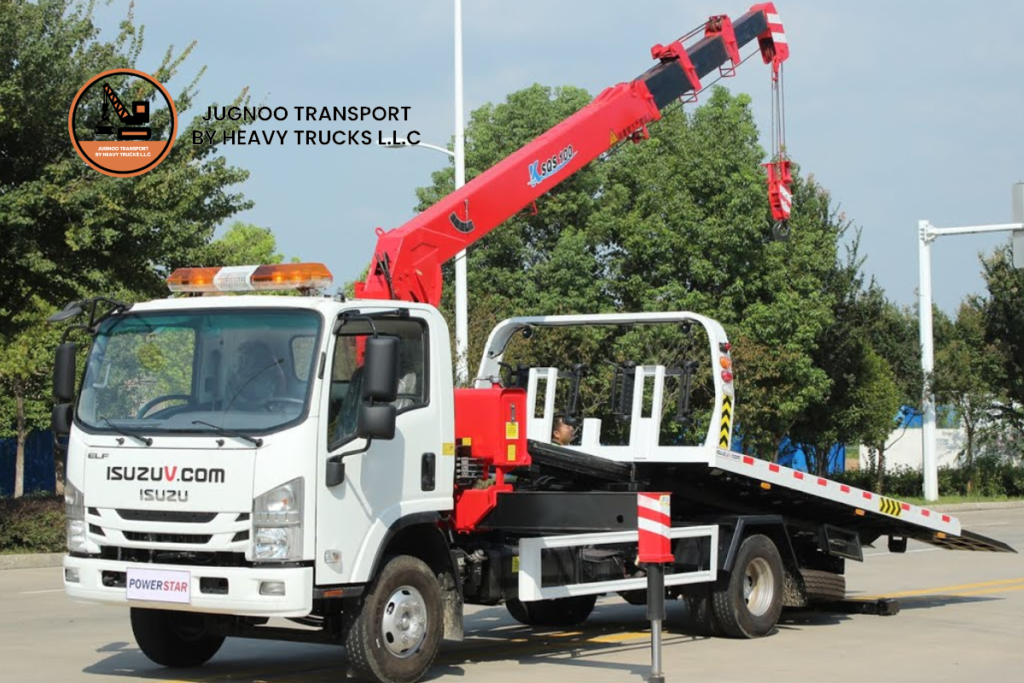
Breakdown recovery & towing service. Fast, reliable recovery truck for accidents or breakdowns. Call now for quick assistance.
Have you ever been stuck on the side of the road, watching the cars zoom by, and felt that wave of relief when a recovery truck pulls up? That moment of rescue is powerful. It turns a bad day into a manageable one. If you’ve ever thought about being the person providing that essential service, you’re in the right place. Starting a recovery truck business is more than a commercial venture; it’s about building a lifeline for your community. It’s challenging, rewarding, and desperately needed.
This guide will walk you through every step, from that first spark of an idea to running a smooth operation. We’ll talk about the trucks, the rules, finding customers, and, most importantly, doing the job safely and well. And yes, we’ll share insights from our own journey at Jugnoo Transport, a name built on reliability and trust in the recovery industry.
Why Start a Recovery Business?
Before we dive into the how, let’s solidify the why. The demand for vehicle recovery is constant. Vehicles break down, accidents happen, and weather doesn’t always cooperate. This isn’t a luxury service; it’s a necessity. As a recovery operator, you become part of the essential infrastructure that keeps roads clear and people safe. It’s a business that can provide a stable income, the satisfaction of tangible problem-solving, and the freedom of being your own boss.
The Foundation – Planning and Research
You can’t just buy a truck and hit the road. Success starts with a solid plan.
- Understand Your Market:
Who needs you? Your potential customers are vast:
- Individual Motorists: People whose cars have broken down.
- Fleet Managers: Companies with vans, trucks, or sales cars.
- Car Dealerships: Needing vehicles transported.
- Insurance Companies: A huge source of contracted work for accident recovery.
- Local Authorities and Police: For removing abandoned or accident-damaged vehicles.
Spend time researching your local area. Are there many highways? Is it a rural region with farms that might need agricultural vehicle recovery? Is there a major logistics hub nearby? Knowing this shapes your entire business.
- Define Your Services:
Will you specialize? You could offer:
- Basic Roadside Recovery: Tire changes, jump-starts, fuel delivery.
- Vehicle Recovery and Transportation: The core service of towing.
- Accident Recovery: Often requires more skill and equipment.
- Specialist Recovery: For motorcycles, classic cars, or heavy goods vehicles (HGVs).
At Jugnoo Transport, we started with a focus on being a fast Recovery Truck service for local motorists and fleets, building a reputation for speed and care before expanding our fleet for more complex jobs.
- Crunch the Numbers – Your Business Plan:
This is your roadmap. It doesn’t have to be a novel, but it must cover:
- Startup Costs: Truck purchase, insurance, tools, licensing, marketing.
- Operating Costs: Fuel, maintenance, insurance renewals, phone bills.
- Pricing Strategy: Research what others charge. Will you charge by the mile, a flat fee, or a combination?
- Financial Projections: Estimate your income for the first year. Be realistic.
Making It Legal – Registration, Licenses, and Insurance
This step is crucial. Cutting corners here can shut you down before you start.
- Business Structure:
Decide if you’ll be a sole trader, a partnership, or a limited company. Each has different implications for tax, liability, and paperwork. An accountant can give you the best advice for your situation.
- Licenses and Permits:
- Operator’s License: If your recovery vehicle exceeds a certain weight (3.5 tonnes in many places), you’ll likely need a Goods Vehicle Operator’s License from your transport authority.
- Driver’s License: You and any drivers will need the correct license for the size of the recovery vehicle. A standard car license often isn’t enough.
- Local Business Permits: Check with your city or county council.
- Waste Carrier License: If you handle scrap or end-of-life vehicles (even for disposal), you may need this.
- Insurance – Don’t Skimp!
This is your biggest protection. You need:
- Vehicle Insurance: For your recovery truck(s), often requiring a specific recovery vehicle policy.
- Goods in Transit Insurance: Covers the customer’s vehicle while it’s on your truck.
- Public Liability Insurance: Protects you if your business causes injury or property damage.
- Professional Indemnity: Can cover you if you’re accused of negligence during a recovery.
Your Most Important Tool – The Recovery Truck
Your truck is your office, your workshop, and your brand on wheels. Choosing wisely is critical.
- Type of Truck:
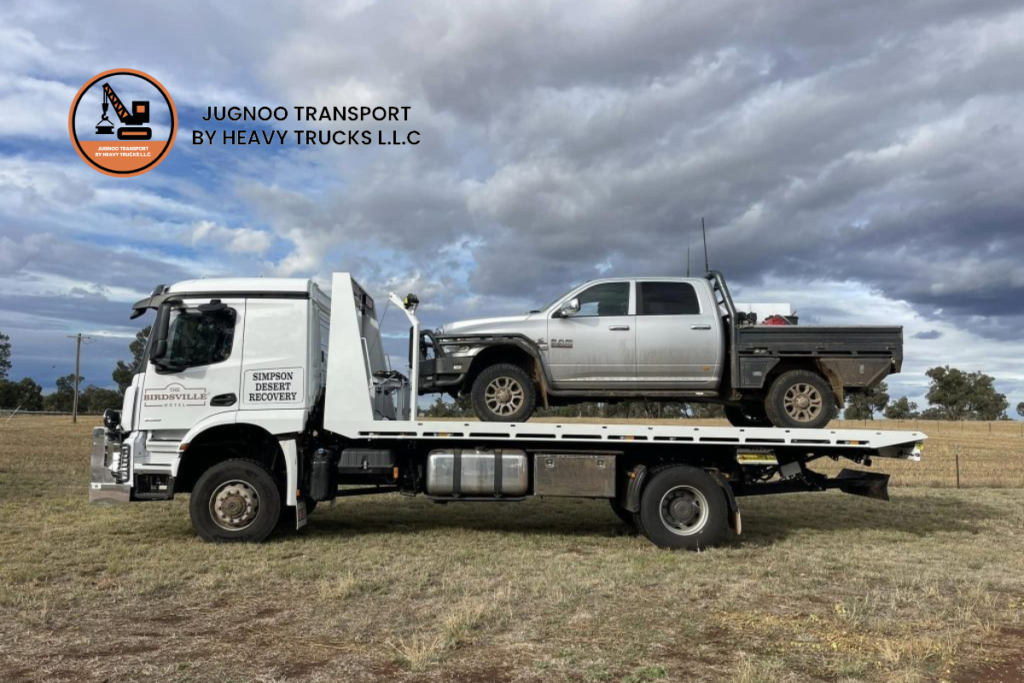
- Flatbed / Carrier: The most common and versatile. The vehicle is winched onto a flat bed, keeping all wheels off the ground. This is safest for many modern cars with complex drivetrains.
- Hook and Chain/Wheel-Lift: Older styles, now less common for car recovery as they can cause damage. Sometimes used for short-distance or salvage moves.
- Integrated Recovery Unit: Larger, more powerful trucks for heavy-duty and accident recovery.
For a new business, a reliable used flatbed is often the best starting point.
- Key Features to Look For:
- A Reliable Engine and Chassis: You’re constantly stopping, starting, and carrying heavy loads.
- A Powerful, Well-Maintained Winch: The heart of the operation.
- Clear Signage: Your business name, phone number, and any accreditation logos should be visible.
- Safety Gear: High-vis jackets, cones, warning lights, and fire extinguishers are mandatory.
Your truck advertises your professionalism. A clean, well-equipped 24/7 recovery truck signals to customers that you are serious and trustworthy, just as we strive to maintain at Jugnoo Transport.
Setting Up Operations – The Daily Grind
- Your Base of Operations:
You’ll need a secure place to park your truck(s) and, if possible, store recovered vehicles temporarily. This could be your home driveway (check local rules), a rented lock-up, or a yard.
- Tools and Equipment:
Beyond the truck, stock up on: wheel dollies, straps and chains, a heavy-duty torch, basic mechanic’s tools, fuel cans, and a jump-start pack.
- Communication is Key:
You need a dedicated business phone line. An answering service or mobile that’s always on is essential for a 24/7 Recovery Truck service. Consider a simple dispatch software or diary to manage jobs.
- Building Your Network:
Connect with local mechanics, garages, body shops, and car dealerships. They are often the first call a stranded driver makes after you. A good relationship can lead to a steady stream of referrals.
Finding Your First Customers – Marketing Your Service
- Your Digital Front Door:
- Website: A simple, clean website that states who you are, your service area, your services, and, crucially, your phone number. Make sure it works well on mobile phones!
- Google My Business: This is FREE and vital. It puts you on the map—literally. When people search Recovery Truck near me, you want to appear. Encourage happy customers to leave reviews.
- Social Media: A Facebook page is useful for local advertising and sharing updates.
- Traditional Marketing Still Works:
- Vehicle Livery: As mentioned, your truck is a moving billboard.
- Business Cards & Flyers: Drop them at related businesses (garages, tyre shops).
- Local Directories: Both online and in print.
- The Power of a Professional Image:
From the moment you answer the phone to when you hand over a receipt, every interaction matters. Punctuality, clear communication, and a respectful attitude turn a one-time customer into a loyal client. This is what builds a professional recovery service reputation.
The Heart of the Job – Safe and Professional Recovery Operations
This is where your business lives or dies. Safety isn’t just a box to tick; it’s your entire reputation and your legal responsibility.
- The Recovery Process:
- Assessment: Upon arrival, assess the scene for safety. Look for hazards like traffic, fluids on the road, or the vehicle’s position.
- Communication: Talk to the customer. Explain what you’re going to do.
- Preparation: Secure the area with cones and lights. Chock wheels of both vehicles.
- Execution: Follow a methodical process for loading, strapping, and unloading. Never rush.
- Critical Safety Hazards to Avoid:
This is where we must address some of the industry’s most serious risks. Ignoring them is how accidents happen.
- Overloading the Boom, Ignoring the Load Chart: Every recovery truck has a rated capacity, detailed in its load chart. This chart is your bible. Overloading the boom is a recipe for catastrophic failure. The boom can snap, or the truck can tip over. Call a heavier-duty unit. At Jugnoo Transport, we treat load limits as absolute law, not guidelines.
- Poor Visibility and Blind Spots: Recovery often happens in terrible conditions: night, rain, fog, or on busy roads. Poor visibility and blind spots are your constant enemies. You must be hyper-aware of traffic, the customer, and your own team. Use all your lights – beacons, hazards, work lights. Have a dedicated banksman (spotter) if you’re maneuvering in a tight or dangerous spot.
- Customer Care:
The person you’re helping is likely stressed and anxious. A calm, friendly, and professional manner is part of the service. Treat their vehicle with respect. A simple You’re in safe hands now can make all the difference.
Growth and the Future
Once you’re established and have a steady cash flow, think about growth.
- Add Another Truck: Expand your capacity.
- Hire a Driver: Move from operator to manager.
- Expand Your Service Area: Cover more towns.
- Offer New Services: Like dedicated motorcycle recovery or roadside assistance contracts.
The goal is to build a brand known for reliability. That’s what we work towards every day at Jugnoo Transport—being the name people remember and trust when they need help the most.
Conclusion: Your Road to Success
Starting a recovery truck business is a journey of preparation, hard work, and commitment to safety. It’s about more than towing cars; it’s about providing peace of mind. The road won’t always be smooth. There will be long nights, challenging recoveries, and bureaucratic hurdles. But the reward of building a respected, essential business in your community is immense.
Remember the key pillars: a solid plan, the right legal setup, a reliable truck, smart marketing, and an unwavering commitment to safety—avoiding the traps of overloading, unstable ground, and blind spots.
If you’re embarking on this path, we wish you the very best of luck. And if you’re in our area and find yourself in need of a fast recovery truck from a professional recovery service you can count on, day or night, remember that Jugnoo Transport is here, ready to help. Because sometimes, even the people who provide the rescue need a partner they can rely on.
Now, it’s time to start your engines and build something great. The road is waiting.