
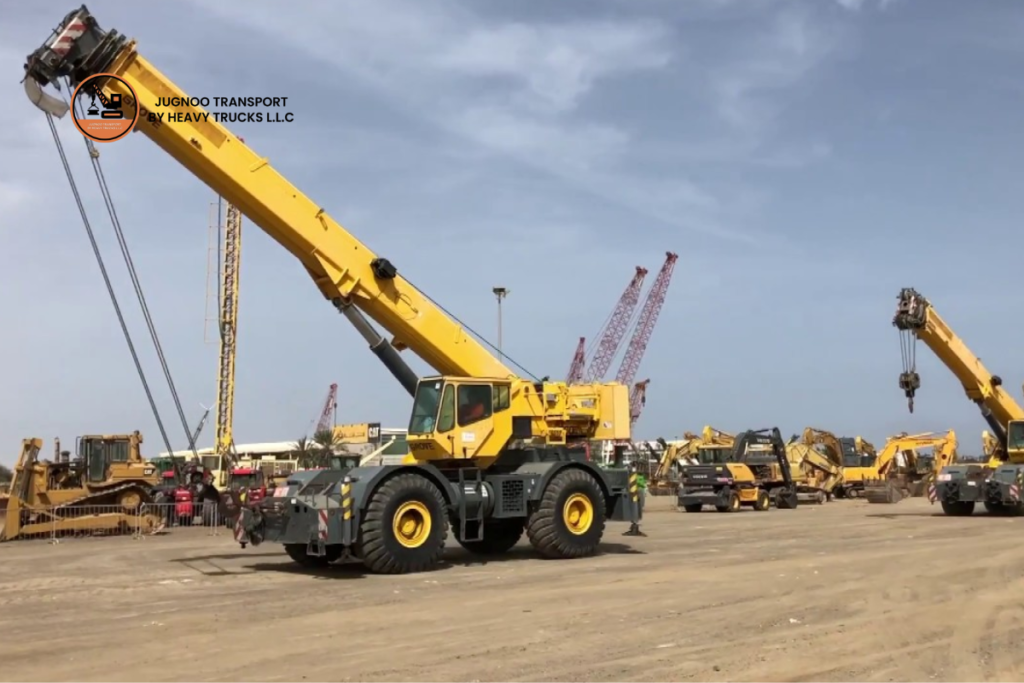
Rent reliable used heavy equipment. We offer inspected excavators, loaders, dozers & cranes with service history.
Renting heavy equipment is one of the smartest decisions a construction company, contractor, or project manager can make. It saves capital, offers flexibility, and gives you access to the exact machinery you need for a specific job. But when that rental involves used Heavy Machinery, the decision requires a bit more homework.
Choosing used Construction Equipment for rent can be a fantastic value play. You often get a capable machine at a lower rental rate than a brand-new model. However, not all used equipment is created equal. The difference between a smooth, profitable project and a nightmare of downtime and repair bills often comes down to the questions you ask before you sign the rental agreement.
Why Renting Used Equipment Makes Sense (When Done Right)
First, let’s understand the appeal. Renting used Heavy Machinery isn’t a compromise; it’s a strategy.
- Cost Savings: The most obvious benefit. Rental rates for used equipment are generally lower than those for new equipment.
- Proven Performance: A used machine has a track record. It’s not a prototype; it’s a proven quantity that has already demonstrated its ability to do the job.
- Lower Depreciation Risk: You’re not bearing the brunt of the machine’s steepest value drop, which happens in the first few years.
- Availability: Sometimes, the specific machine you need might only be available in the used market, especially for specialized or older models.
The goal is to capture these benefits while minimizing risk. And that starts with asking the right questions.
The Foundation: Questions About the Source
You must know who you are renting from. This is the most critical step.
1. Is your company a reputable heavy equipment dealership or a dedicated rental house?
This tells you about their business model. A dealership’s core business is selling machines, and its rental fleet might consist of trade-ins or demos. A dedicated rental company’s entire business is maintaining a reliable fleet for rent. Both can be excellent, but it shapes their priorities.
2. How long have you been in business, and what is your reputation?
Look for established companies with a track record. Search online for reviews, ask for references from past clients, and see if they are known in the local construction community. A company like Jugnoo Transport builds its reputation over the years by ensuring reliability and trust.
3. Do you own this equipment outright, or are you a broker?
This is crucial. Renting from a company that owns and maintains its fleet (like an owner-operator) means they have direct control over its condition and maintenance history. A broker simply arranges rentals between you and an unknown third party, which can complicate service, support, and accountability if something goes wrong.
The Machine’s Life Story: Service History & Maintenance
This is the heart of your investigation. A machine’s past is the best predictor of its future.
4. Can you provide a complete service history verification for this machine?
Never take a vague “yes, it’s been serviced” for an answer. Ask to see the records. A professional company will have a detailed log, either digital or paper. This history should show:
- Regular Preventive Maintenance: Were oil changes, filter replacements, and greasing done on schedule?
- Major Component Work: Has the engine, transmission, or hydraulics been rebuilt or replaced?
- Repair Records: What has broken in the past, and how was it fixed?
5. What is the machine’s total operating hours?
Like a car’s odometer, the hour meter is a key indicator of use. Compare the hours to the machine’s typical lifespan. 5,000 hours on a well-maintained excavator is very different from 5,000 hours on a neglected one. Which leads to the next question…
6. Based on the hours and history, what major maintenance is due soon?
This is a test of honesty. A trustworthy provider will tell you, “It’s at 9,500 hours, and the major 10,000-hour service on the hydraulics will be due during your rental period. We will perform that service before it goes out.” If they dodge the question, be wary.
7. Who performed the maintenance: your in-house technicians or third parties?
In-house service teams, like those at a full-service company, often mean more consistent care and deeper knowledge of their specific fleet.
The Physical Condition: Beyond a Quick Look
You or a qualified person must inspect the machine. Don’t just start the engine and listen to it purr.
8. Can I (or my operator) perform a full pre-rental inspection?
Any reputable company will say yes. Bring your most experienced equipment operator or a trusted mechanic.
During the inspection, look for:
- Fluid Leaks: Check under the machine for fresh oil, coolant, or hydraulic fluid. Seepage is common; active drips are a red flag.
- Structural Damage: Look for cracks, welds, or bends in the frame, boom, or bucket. Check for “rippling” metal, a sign of past stress.
- Tire/Track Wear: Are tires evenly worn and with good tread? Are track pads worn down or broken? Replacing these is very costly.
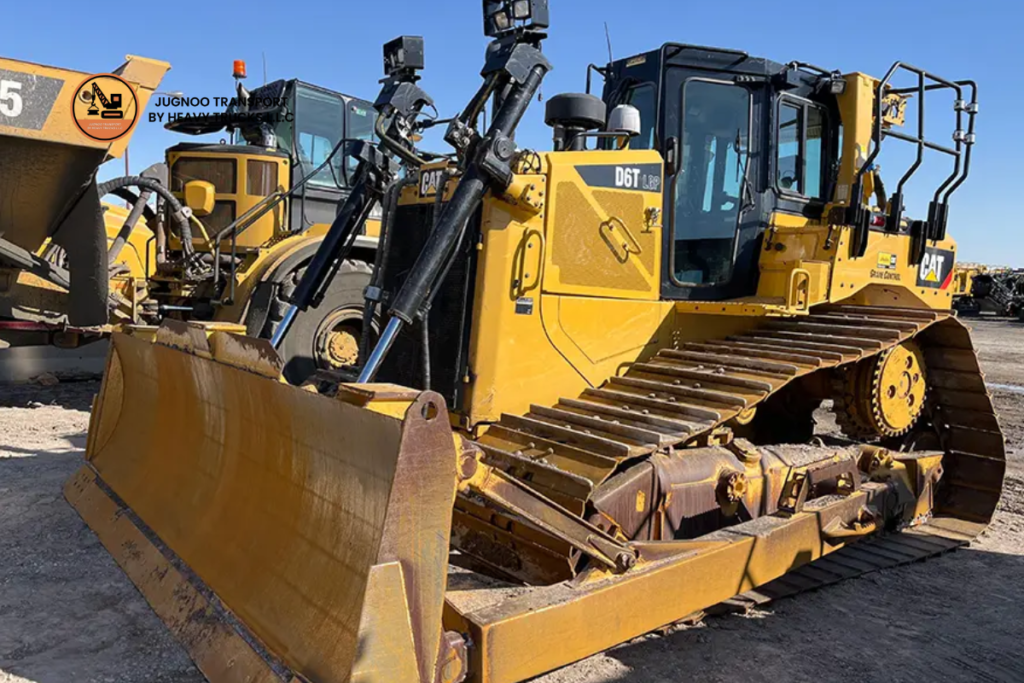
- Undercarriage (for crawlers): This is a massive cost item. Check for excessive wear on rollers, idlers, and the sprocket.
- Attachment Points & Pins: Are they worn or sloppy? Excessive wear here means less precision and power.
9. Are all the safety features and decals present and functional?
Check lights, alarms, backup beepers, fire extinguishers, and safety lockouts. Missing or non-functional safety equipment is a legal and jobsite hazard.
10. Can I operate all the machine’s functions during the inspection?
Test the hydraulics. Swing the boom, curl the bucket, extend the arm. Listen for unusual noises and watch for jerky movements. Check that all gauges and monitors in the cabin work.
The Fine Print: Understanding the Rental Agreement
The machine might be perfect, but a bad contract can ruin everything.
11. What is the exact rental rate, and what does it include?
Is it a daily, weekly, or monthly rate? Does the rate include delivery and pickup? Does it include insurance? Never assume.
12. What is your policy on routine wear and tear versus damage?
Get this in writing. Understand what they consider “normal” for a machine of that age and hours.
13. What happens if the machine breaks down on my site?
This is the most important question after the service history verification.
- What is your response time for a service call?
- Do you provide a loaner/replacement machine if mine is down for more than 24 hours?
- Who pays for the repair—you or me? (In a full-service rental, the rental company should cover mechanical failures unless caused by operator abuse.)
14. What is the fuel policy?
Do you get it full and return it full? Or is there a refueling service charge?
15. Are there any penalties for early return or extension?
Understand the flexibility. Project timelines change.
The Support System: What Happens During the Rental?
The relationship doesn’t end when the machine leaves their yard.
16. Do you offer 24/7 emergency support?
Construction Equipment breaks down at the worst times. Knowing you have a phone number that gets answered at 2 PM on a Saturday is priceless.
17. Do you provide on-site orientation for my operator?
Even experienced operators need to know the quirks of a specific machine. A quick walk-around from the rental company’s expert can prevent misuse and identify issues early.
18. What is your process for end-of-rental inspection?
Will someone come to my site, or do I return it to your yard? This should be a fair process based on the initial inspection report you both signed.
The Big Picture: Making the Smart Choice
Renting used Heavy Machinery is about balancing cost savings with risk mitigation. By asking these questions, you shift from a hopeful renter to an informed client. You’re not just renting a machine; you’re renting a promise of performance and support.
A company that welcomes these questions, provides clear documentation for service history verification, and offers transparent terms is a partner. A company that is vague, defensive, or lacks records is a gamble.
Why Partner with a Specialist Like Jugnoo Transport
Navigating the used equipment rental market can feel complex. This is where partnering with an established, service-oriented provider makes all the difference. While Jugnoo Transport is known for its comprehensive transport and lifting solutions, we understand the ecosystem of Construction Equipment intimately.
We work with and recommend only the most reputable heavy equipment dealership and rental partners—companies that share our commitment to transparency, maintenance, and client success. When you work with us, you gain access to our network and our vetting standards. We believe in partnerships built on trust, where the machine’s history is an open book, not a hidden secret.
For large-scale projects requiring integrated services, this expertise is invaluable. If you are looking for a partner who can manage complex logistics and Heavy Machinery needs seamlessly, exploring our network of heavy equipment subcontractors is a strategic move. You can learn more about this collaborative approach on our dedicated page: Jugnoo Transport Heavy Equipment Subcontractors.
Final Checklist Before You Sign:
- Verified the company’s reputation.
- Received and reviewed the complete service history verification.
- Performed a full physical inspection (with my operator).
- Tested all machine functions.
- Understood the full rental rate and what it includes.
- Clarified the breakdown and support policy.
- Reviewed the return and damage policy.
- Got everything in writing.
Renting used Construction Equipment doesn’t have to be a risky venture. It can be a brilliant financial and operational decision. Arm yourself with these questions, and you’ll be equipped to find a reliable machine and a trustworthy partner, ensuring your project runs smoothly from groundbreaking to completion.
The right questions lead to the right machine, and the right machine helps you build the future. Choose wisely.